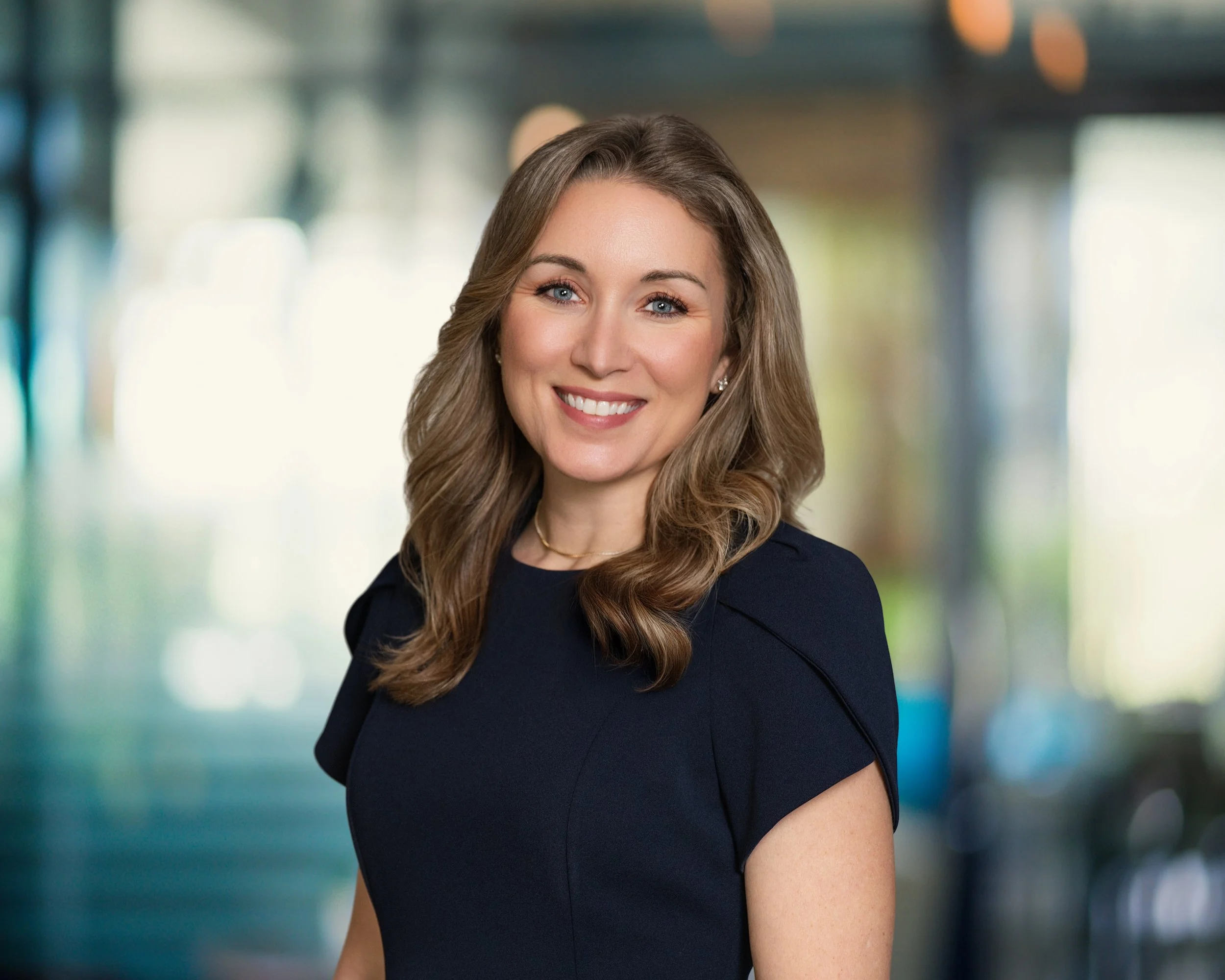
Hi, I’m Michelle.
I pursued a doctorate in communication because I was committed to answering a question about how information flows between people — how meaning gets made, how understanding changes behavior, and what gets in the way. I finished the degree, but before I finished, I knew the next questions I wanted to answer had to be applied in the real world. I wanted to contribute to work that mattered.
In every organization I've entered, I’ve built structure from chaos and then build insight from structure. I arrive at the mess — the manual workarounds, the siloed teams, the data nobody trusts — and I make it workable. Then I make it useful. Then I make sure it outlasts me. At Best Friends, that meant building what amounts to a data company inside a nonprofit — product development, marketing, contributor support, user training, governance, and partnerships, all operating at industry scale across 3,300+ organizations.
My favorite part of working in data and analytics is getting to completely nerd out about data models, optimization and scale, and being one of the first people in the world to know an insight. And then also getting to connect it to real impact for colleagues, for the mission, and for the industry. Of all the professionals in an organization, a successful head of data and analytics often orchestrates across every domain and function in the organization, and I love helping to create and work in the environment that uses science, facts and technology to help every corner of the organization.
What doesn’t fit on a resume
The work that moves organizations rarely shows up in a job description. Here's what I actually bring.
I find the real problem. Not the one that got escalated, not the one that's loudest, but the one that's actually causing the noise. I'm good at sitting with a messy situation long enough to understand what it's actually asking — and distinguishing between the thing that needs to be solved and the symptom that's just indicating the problem exists.
I listen across the whole organization. I pick up on what people are saying when they're not in a formal meeting, and I understand how the different parts of an organization depend on each other. That lets me orchestrate — to see what's pulling against what, and find the path where many competing needs can move forward at the same time.
I get more done without adding headcount. One of the things I'm most proud of is my ability to identify work that doesn't have a home — that falls between teams, or belongs to a function that doesn't have bandwidth — and find a way to get it done anyway. Every team I've led has achieved more than its size would suggest.
I build the communication capacity of every team I join. That means elevating how a team talks to leadership, how it tells the story of its work, and how it builds credibility across the organization — not by being louder, but by being more relevant. I've turned technically excellent teams that nobody listened to into teams that people sought out.
I communicate with a goal, always. Every email, every meeting, every presentation has a reason to exist. I don't communicate to communicate. I communicate to move something forward — and I'm deliberate about connecting my message to what matters to the person on the other side of it.
I build teams around what the organization needs, not what currently exists. Hiring is one of the places where leaders leave the most value on the table. I don't hire for what I'm used to. I hire for what the work actually requires —and I build environments where people understand what motivates them, how they work together, and how their past experiences might be shaping the way they show up.
I create structure where it's missing. Not bureaucracy — structure. The difference between an organization that reinvents the wheel every time a request comes in and one that knows exactly who owns what, how decisions get made, and what stakeholders can expect. That kind of consistency doesn't happen by accident and accelerates timelines.
How I work
The best professional relationships are built on trust. I bring a track record, and I invest in understanding the people and context around me quickly. When that exchange is mutual, the work moves faster and goes further.
I lead by bringing people along, not by issuing directives. Compliance is easy to get and worth nothing. What I want is for the people I work with to understand what we're building and why — because that empowers people and makes the work sustainable in my absence.
I'm direct, and that’s an asset. I work on bringing people with me rather than leaving them behind, but I don't soften the substance. Directness, in the right environment, accelerates everything.
User first, always. Any report, product, process, or insight can serve a dozen different purposes depending on who's interacting with it. Real value requires knowing the people on the other end intimately — not just what they asked for, but what they're actually trying to do. That's where I invest before I build anything.
I bring structure to chaos. That's not a complaint about chaos, it's a skill. Ambiguity and complexity don't slow me down. I find the shape inside the mess, build the process that makes it repeatable, and create the conditions for other people to move faster.
I invest in the people I work with in ways that last. Not because I keep score, but because watching someone become better at something that matters to them is one of the most satisfying parts of this work.